The Alcantara Gorges: A Complete Visitor’s Guide
I grew up in Francavilla di Sicilia, in the Alcantara Valley, and I’ve walked and body-rafted the gorge since I was a teenager. In summer when it’s crowded, in spring when the light is sharp, in October when the tourists thin out. I’ve gone in, paddled in cold water, and wondered whether the €2 ticket was enough or if the rafting was worth the price. Here’s what actually happens when you visit, and whether you need to pay for a guide or a tour.
Planning your gorge trip?Summer slots fill up fast, and cancellation is free up to 24 hours before. Book now, decide later.
Check tour availabilityWhat the Alcantara Gorges actually are
A canyon cut by the Alcantara River through black basalt, the lava that flowed from Mount Etna and cooled as it hit the water. The walls rise to about 25 m in most places, some sections up to 50 m, and the canyon narrows so much that in places the river barely fits between the rocks. The geology is real: hexagonal basalt columns, fractured by cooling fast. The gorge is about 20 km inland from Taormina, near Motta Camastra, in a small valley where locals still know each other. The water comes from cold springs and stays 8–12°C year-round, even in August.
Access is almost free. The public municipal staircase costs €2 per person. The private Gole Alcantara Botanical & Geological Park charges €13 (€10 low season); they also sell a panoramic lift down for €8 extra if the stairs don’t appeal. There are no gates, no permits, and no one turns you away.
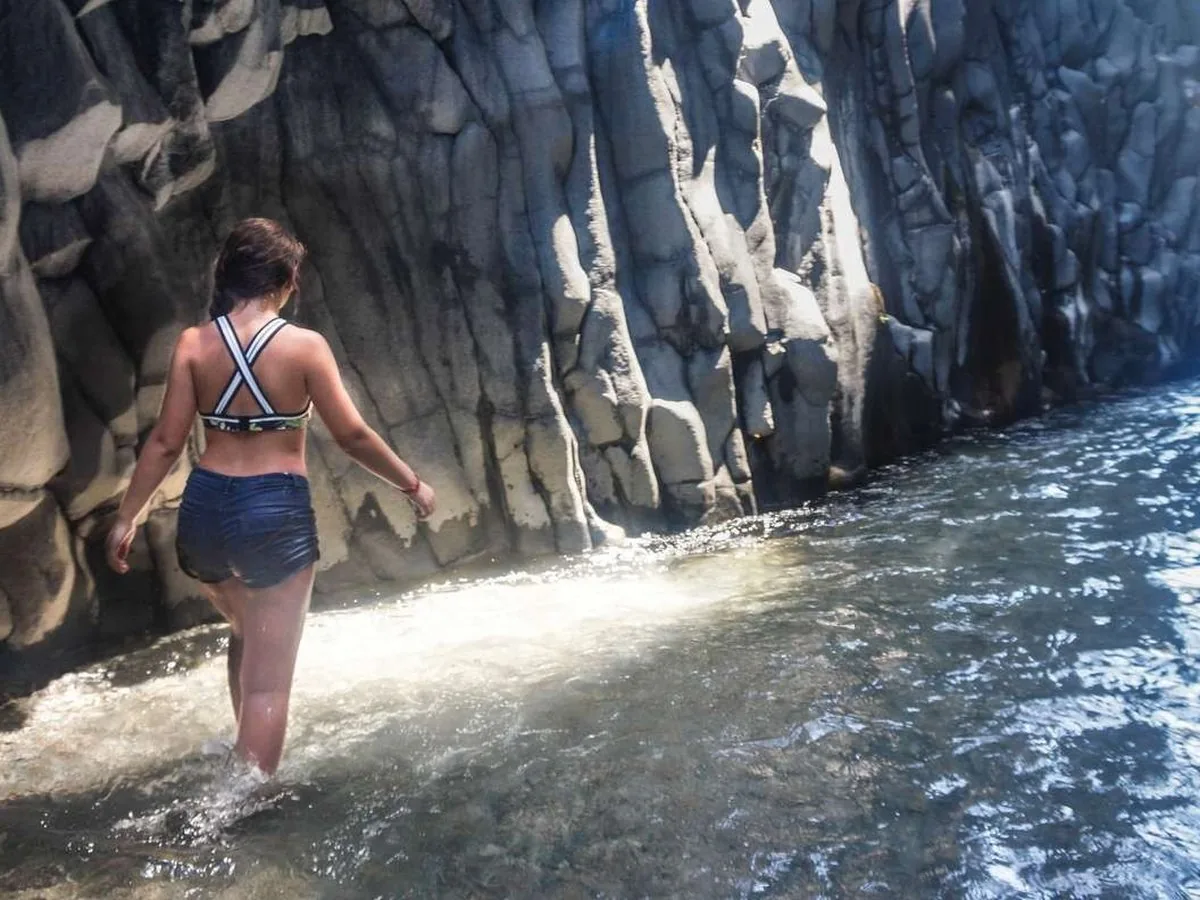
The €2 walk versus the rafting
The €2 entry gets you down the municipal stairs and into the water. You’ll paddle in the shallows, feel how cold it actually is, see the columns close up, and be done in an hour. It’s a good look at what the gorge is. But the real experience is body rafting, and that’s why most visitors book a guide. Body rafting means you raft your own body upstream against the current, pushing off rocks, climbing over boulders, using your hands and legs to fight the river. It’s not swimming. It’s raw effort in very cold water, and if you do it, the gorge becomes something you pushed through instead of something you watched. The tours include a 5 mm wetsuit, helmet, life jacket and water shoes. You need a basic fitness level, and the water temperature weeds out people who thought this would be a casual paddle.
Body rafting runs roughly May to October, weather and water level dependent. Tours start around €62–€63 and take about 1.5–2 hours in the water.
Why most visitors book a full-day tour instead
Very few people actually have a car in Sicily. The buses from Taormina or Catania to Motta Camastra are infrequent and slow. Getting to the gorge solo means changing buses twice, waiting around, and hoping the return bus runs on time. This is why an Etna plus Alcantara full-day tour (from €97) makes sense for most car-free travellers. You get picked up at your hotel in Taormina, Giardini Naxos or Catania, driven to Mount Etna to see the 2002 lava flows and volcanic craters, have lunch at a local restaurant, then driven to the gorge for about an hour. The guide does the logistics. You focus on the experience. The trade-off is a long day (about 8 hours), and the gorge time is shorter than a dedicated rafting trip.
A dedicated body-rafting tour lets you spend the full 1.5–2 hours in the water if that’s what you want. Pick accordingly.
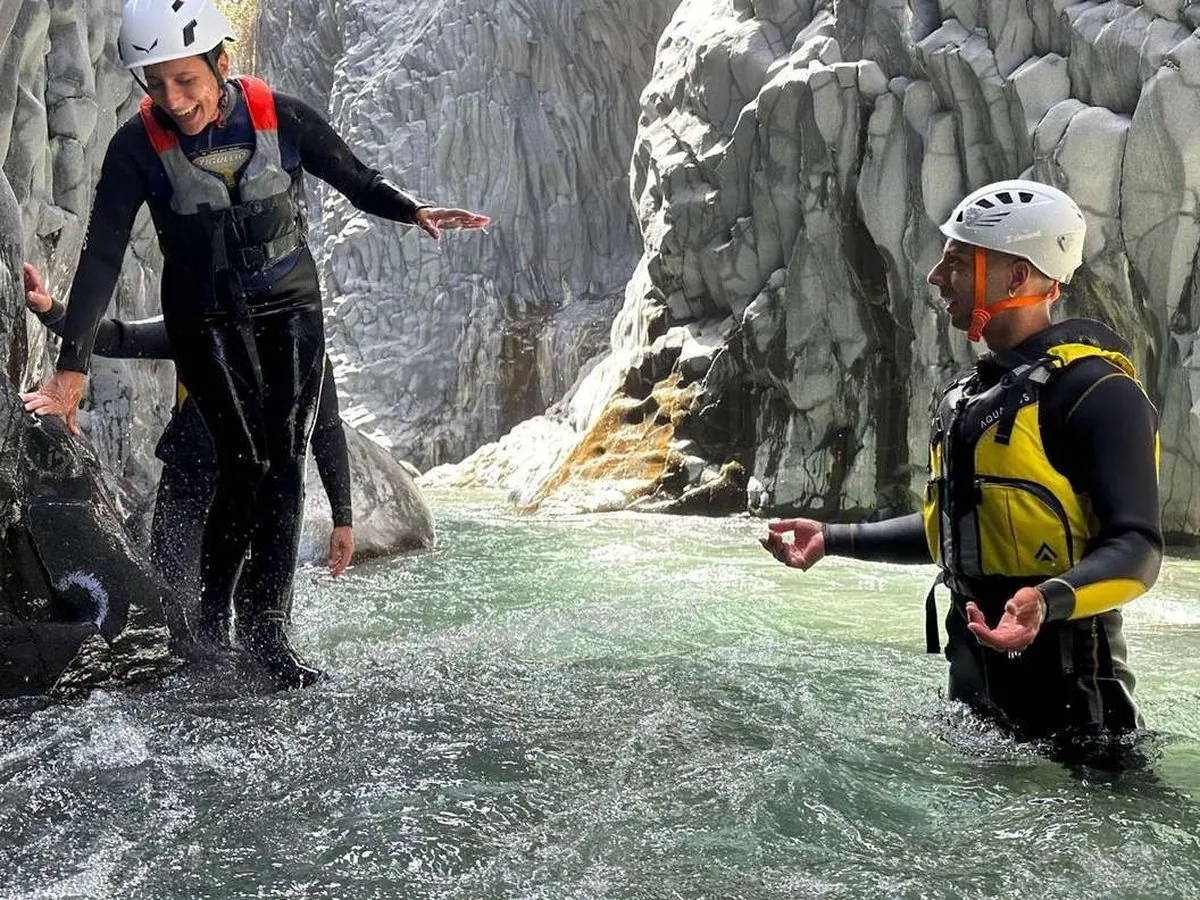
When to go, what to bring
Body rafting season is May to October. July and August are crowded, the water is still cold, and midday heat makes the climb intense. Spring (May–June) and autumn (September–October) are better: mild air, clearer water, fewer people. Winter works for the €2 walk but not rafting.
Bring a towel, a full change of clothes, and grip shoes — no flip-flops or smooth-soled sandals. The rocks are sharp and slippery. If you’re body rafting, the operator provides the wetsuit, but bring your own if you prefer. Sunscreen matters even if it’s cool: the basalt reflects and you’re in direct sun. Water: 1.5 litres minimum, more in summer.
The truth about the temperature
8–12°C means your breath catches when you enter. Your fingers go numb. Your legs feel shocked. The wetsuit helps, but it’s still a cold shock. People with a heart condition, pregnancy, or serious health issues shouldn’t do it. People without fitness will struggle against the current. It’s not a swim. It’s controlled cold-water exertion. If you book a body-rafting tour, the guide will talk you through it. If you’re doing the €2 walk, dip your hand first and decide whether you want to get in. Many people wade in up to their waist and call it done.
Solo or with a guide?
You don’t need a guide for the €2 walk. But if you’re body rafting, a guide changes the experience. They know the current, the best route upstream, how to help you over the big rocks. They move at your pace and push you to go a bit harder if you have it. They know the cold and the effort and won’t leave you struggling. Most people who have rafted the gorge say the guide made it work.
The bottom line
The gorge itself is almost free. The €2 is worth it just to see the columns and understand the geology. If you want the thrill, body rafting costs €62–€63 and is the right call. If you don’t have a car and you’re visiting Taormina, an Etna combo tour (€97+) fits the gorge into a bigger day and removes the bus stress. The water is cold year-round. Bring grip shoes, a towel, and an honest sense of your fitness. Turn up early in the day. Let the guide push you a little. That’s how you actually see the gorge.
Ready to book?
If you want the gorge without the logistics, the full-day Etna combo is the tour I send most people to — see all Alcantara tours or check dates below.
Frequently asked questions
Do I need a guide to visit the Alcantara Gorges?
No. You can walk down the €2 municipal stairs and paddle on your own. A guide only matters for body rafting the upstream section, which you cannot do safely alone.
How much time do I need at the Alcantara Gorges?
Plan about an hour to 90 minutes for a self-guided walk, or around two hours if you book rafting.
Is the Alcantara Gorges worth visiting?
For most people yes, especially paired with Etna. Read my honest take on whether it's worth it before you decide.